DELPHI Exchange: A Week in Saint-Malo
Fieldwork, software architecture, and a glimpse into the daily reality of marine mammal research in Brittany.
Three months after Oihana visited us in Stralsund, it was my turn to travel to Brittany.
As part of our EU-CONEXUS DELPHI exchange, I spent a week in Saint-Malo working alongside the Al Lark team. While our previous meeting had focused on understanding each other’s work and sketching out the foundations of PelAtlas, this visit was about something different: experiencing their workflow firsthand and translating that experience into concrete software concepts.
The week combined office work, field observations, architecture discussions, and a bit of exploration along one of France’s most beautiful coastlines.
Arrival in Saint-Malo
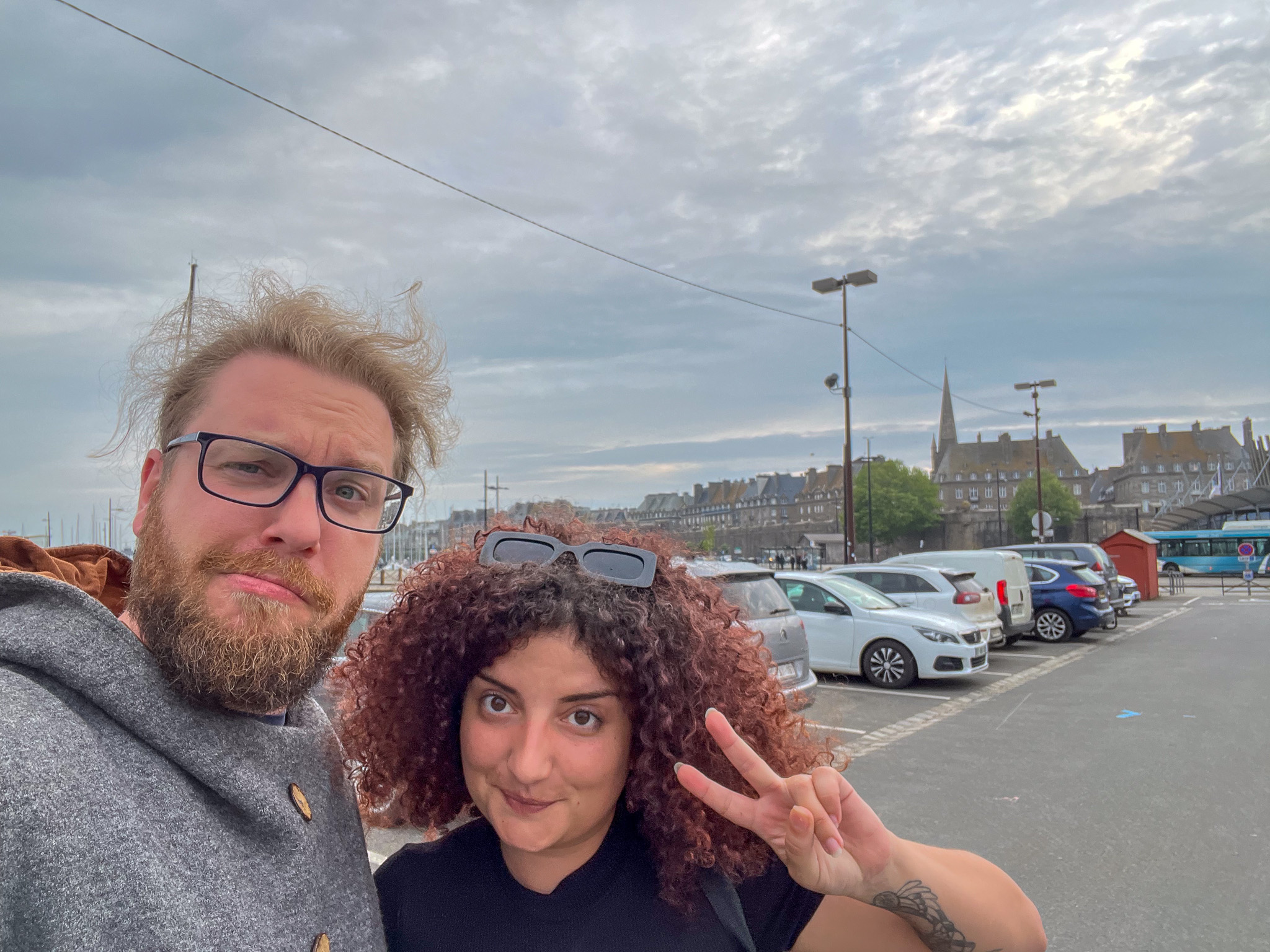
The journey from northern Germany to Brittany took most of the day.
After roughly thirteen hours of trains, transfers, and waiting, I finally arrived in Saint-Malo in the evening. We rounded off the day with a shared dinner and used the opportunity to align expectations and refine our plan for the week ahead.
Getting to Know the Team
The first full day was spent at the Al Lark office.
While we had already worked together remotely for several months, meeting the broader team in person added an important layer of context.
Conversations moved naturally between marine mammal monitoring, citizen science, software development, and the practical challenges of managing long-term photo-identification projects.
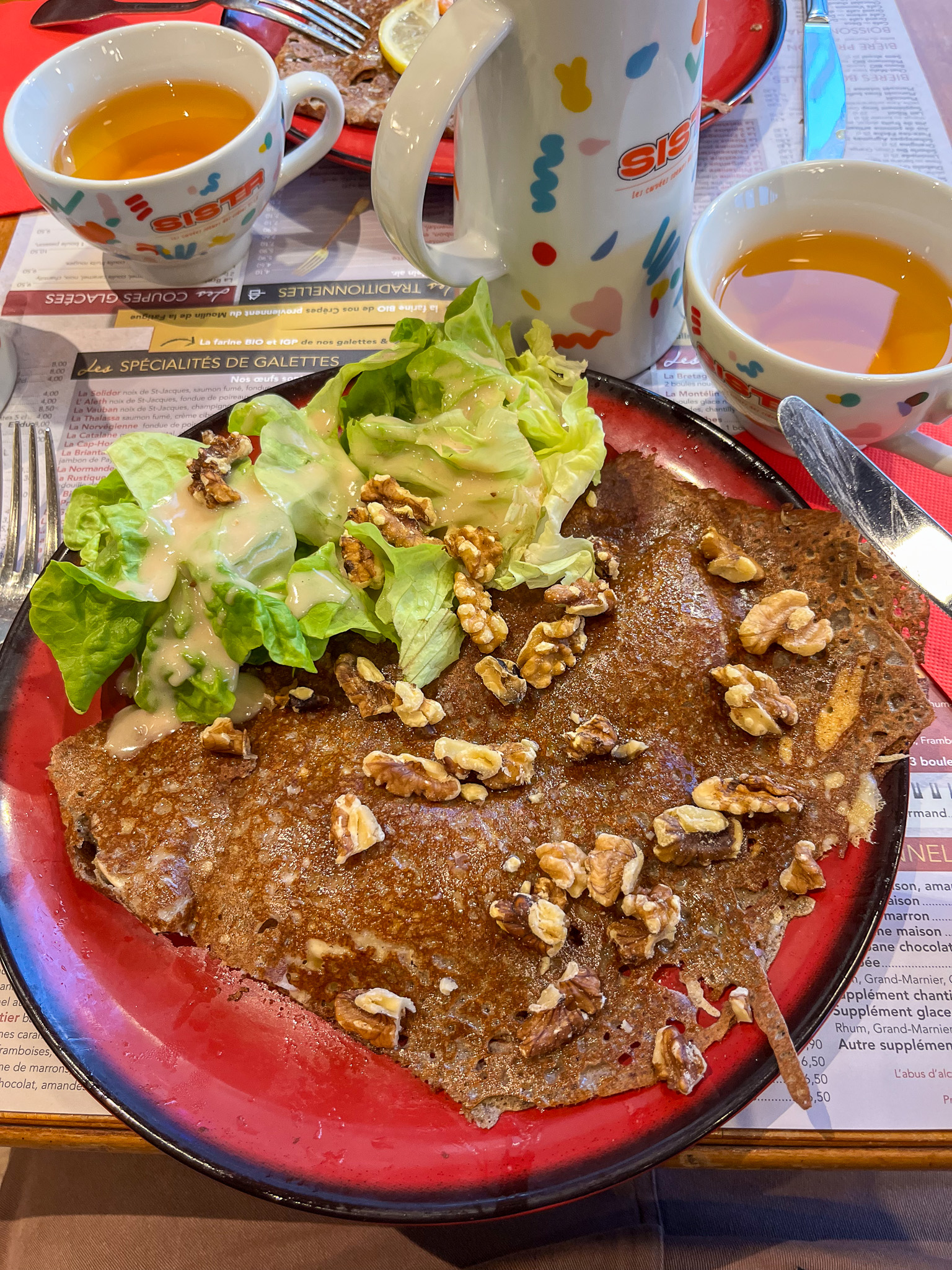
In the evening, I was introduced to one of Brittany’s culinary staples: galettes. Unlike sweet crêpes, galettes are traditionally made from buckwheat flour and served with savoury fillings ranging from cheese and eggs to seafood and vegetables. After a long day of discussions, they were a welcome reward.
Fieldwork at Sea
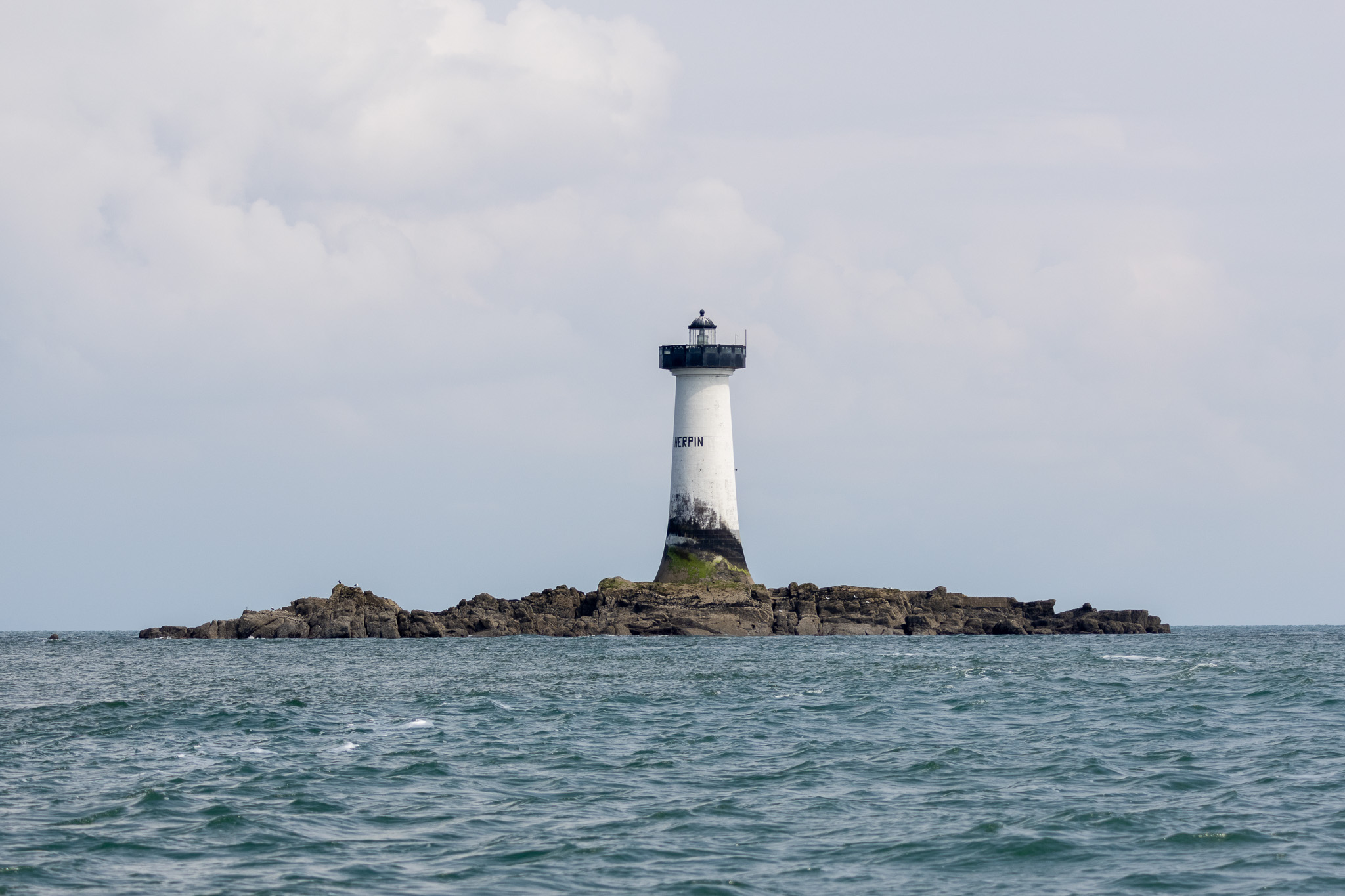
One of the highlights of the week came on Wednesday: six hours on the water observing how Al Lark conducts its monitoring activities.
The surveys follow a structured protocol and rely heavily on citizen scientist participation. While the public often associates marine mammal research with exciting wildlife encounters, much of the work is defined by consistency and careful documentation. Every observation matters, including the absence of target species.
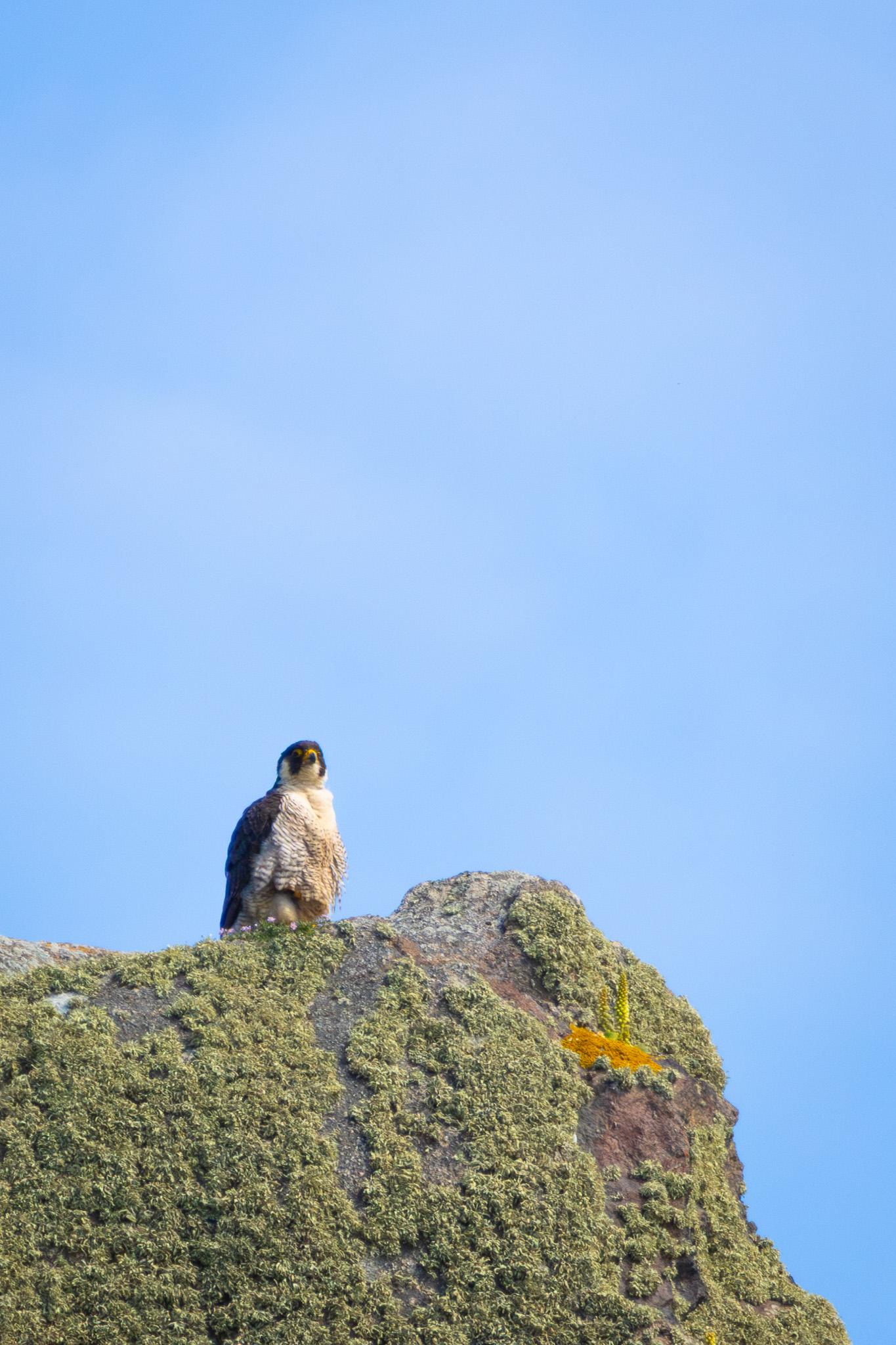
Unfortunately for us, the dolphins did not receive the memo.
Despite ideal expectations, we did not encounter any during the survey. What we did see, however, was an impressive variety of seabirds and the rugged Breton coastline from a perspective rarely accessible from land.
From Photos to Individuals
Back in the office, attention shifted toward PelAtlas.
A major topic throughout the week was the question of identity matching and the structure of an individual catalogue. How should observations, evidence, and identified individuals relate to one another? Which decisions need to remain traceable? And how can we support expert workflows without constraining them?
These discussions gradually evolved into a more concrete concept for how PelAtlas could handle the transition from raw images to identified individuals.
While many details still need refinement, the architecture became significantly clearer during these sessions.
A Day in Saint-Malo
Not every productive week consists exclusively of work.
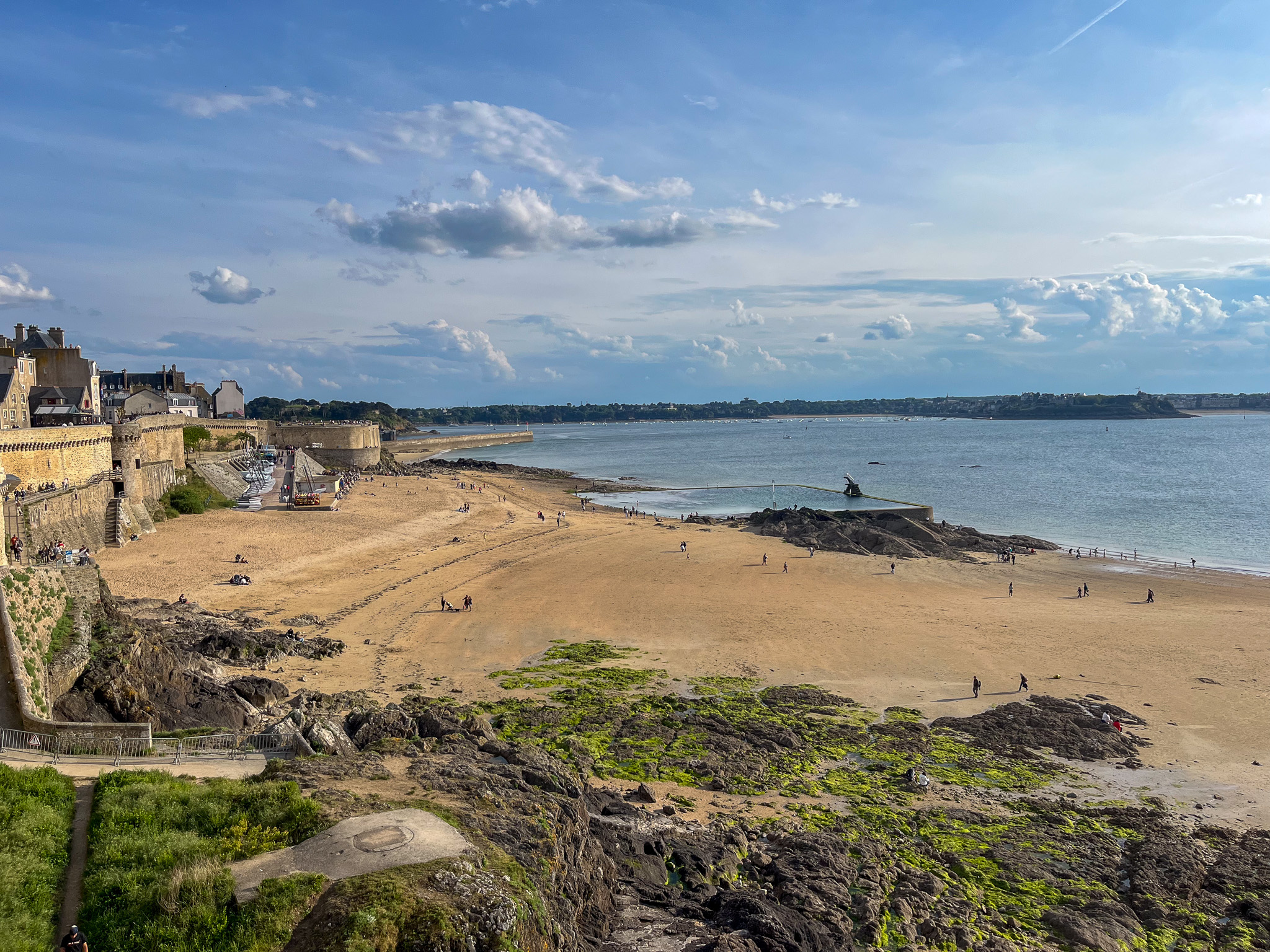
Friday brought unusually good weather, providing the perfect excuse to spend a few hours exploring Saint-Malo itself. The historic walled city, the beaches, and the dramatic tidal landscape make it easy to understand why the region attracts so many visitors.
Outreach on the Water
Saturday combined software development and public engagement.
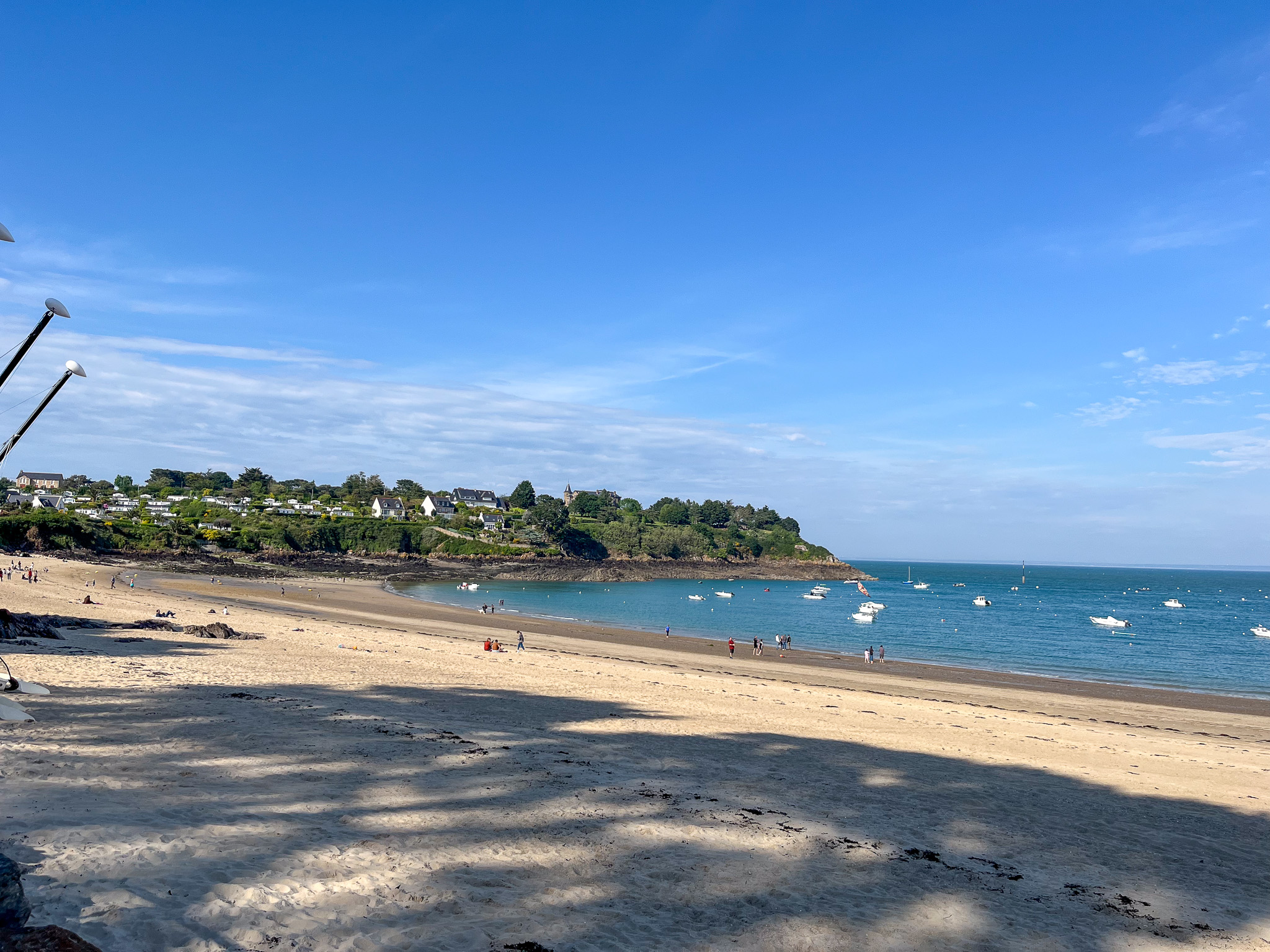
The morning was spent implementing parts of PelAtlas before we headed to Cancale in the afternoon. There, Al Lark organised a public boat excursion focused on awareness and education. Rather than collecting scientific data, the goal was to share knowledge about the local marine ecosystem and encourage people to look more closely at the species and habitats around them.
The weather was excellent.
The dolphins, however, remained committed to their absence.
Instead, participants learned about local flora and fauna, coastal ecology, and the challenges of marine conservation in the region.
A Brief Detour to Mont-Saint-Michel
Sunday was reserved for something less work-related.
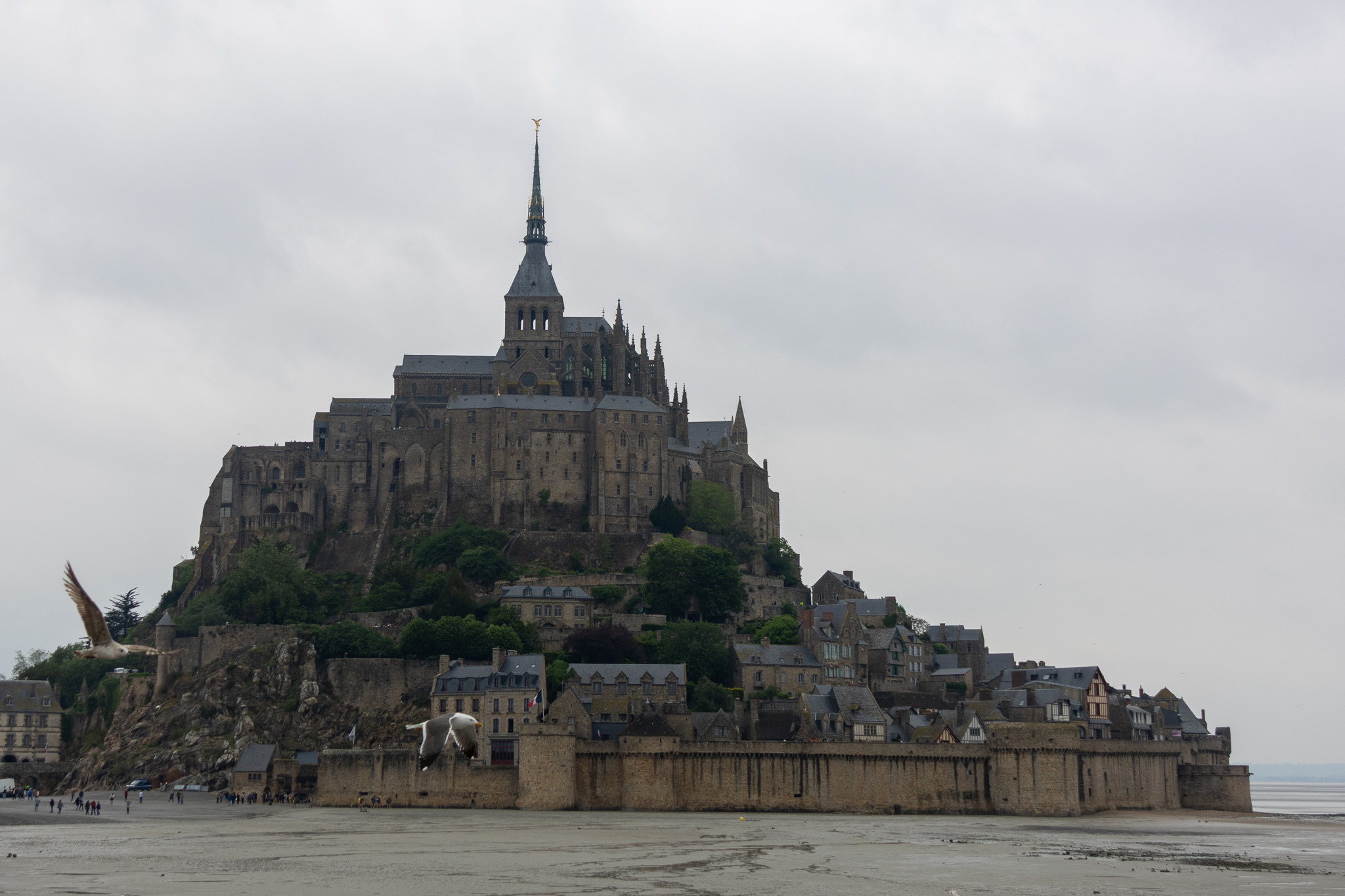
No visit to the region feels complete without seeing Mont-Saint-Michel. Even under overcast skies, the island abbey remains an extraordinary sight. After a week packed with discussions, workshops, and time at sea, it was also a welcome opportunity to slow down for a few hours.
Defining a Real Use Case
The final working day brought an important milestone.
Beyond architecture discussions and abstract workflows, we agreed on the first concrete use case for PelAtlas. Establishing a shared target scenario may sound less exciting than seeing dolphins at sea, but it is arguably more important for a software project.
A clear use case provides direction. It helps distinguish necessary features from nice-to-have ideas and gives future development a common reference point.
By the end of the week, PelAtlas felt less like a collection of concepts and more like a system with a defined purpose.
Heading Home
Tuesday was devoted entirely to the journey back to Germany.
Like many research exchanges, the week was less about spectacular breakthroughs and more about shared understanding. Seeing the fieldwork behind the data, experiencing the role of citizen scientists firsthand, and discussing workflows face-to-face provided context that would have been difficult to gain through video calls alone.
And while we returned without a single dolphin sighting, we came back with something arguably more useful: a much clearer picture of how PelAtlas can support marine mammal research in practice.
From the project
PelAtlasBuilding a scalable, ML-assisted workflow for marine mammal photo-ID and capture–recapture studies, combining retrieval-based re-identification with human verification and active learning.
View project →You might also find these interesting
Building the workflow before the system: how I structured the early development of PelAtlas so that the next step is always visible.
A week of exchange, alignment, and first architectural decisions for PelAtlas under the EU-CONEXUS DELPHI project.
A spontaneous idea, a startup competition, and a first glimpse into how research-based entrepreneurship actually works.
Occasional updates
If this kind of work interests you
I send occasional updates when projects reach meaningful milestones, something is released, or collaboration opportunities arise.
Note on authorship: This text was developed with the support of AI tools, used for drafting and refinement. Responsibility for content, structure, and conclusions remains with the author.