Eight Weeks of Scientific Diver Training
I started with no diving experience and spent eight weeks learning to work underwater, from the pool in Rostock to the seagrass meadows of the Baltic Sea.
It’s been a while since I last wrote here. I spent eight weeks training as a scientific diver and took some time to settle back into work afterwards. I’d never dived before the course. By the end, I’d helped survey seagrass in the Baltic Sea and taken turns tending the signal line, standing by as the safety diver and supervising a dive.
Three weeks in Rostock
For the first three weeks, we trained in the pool from six to eight in the morning and had lectures from half past nine until four. I hadn’t expected quite so much theory. We covered the legal and occupational safety framework for scientific diving, as well as diving physics, equipment and medicine. I found most of it fascinating, though I could have done with a little less time on the regulations. Some of the diving medicine lectures made me wonder whether I really wanted to get in the water at all.
The pool tests included a kilometre of swimming and a 50-metre underwater swim, both with a mask, snorkel and fins. We also had to swim 100 metres of front crawl without equipment, tie three knots correctly during a minute underwater, and complete a paired exercise with a single scuba set.
The hardest exercise for me was taking off my mask, snorkel and fins at a depth of four and a half metres and putting them back on. Holding my breath for that long was manageable on its own. Doing it while staying calm through every step and keeping enough air in reserve to clear my mask at the end was much harder.
Two weeks in Bad Kleinen
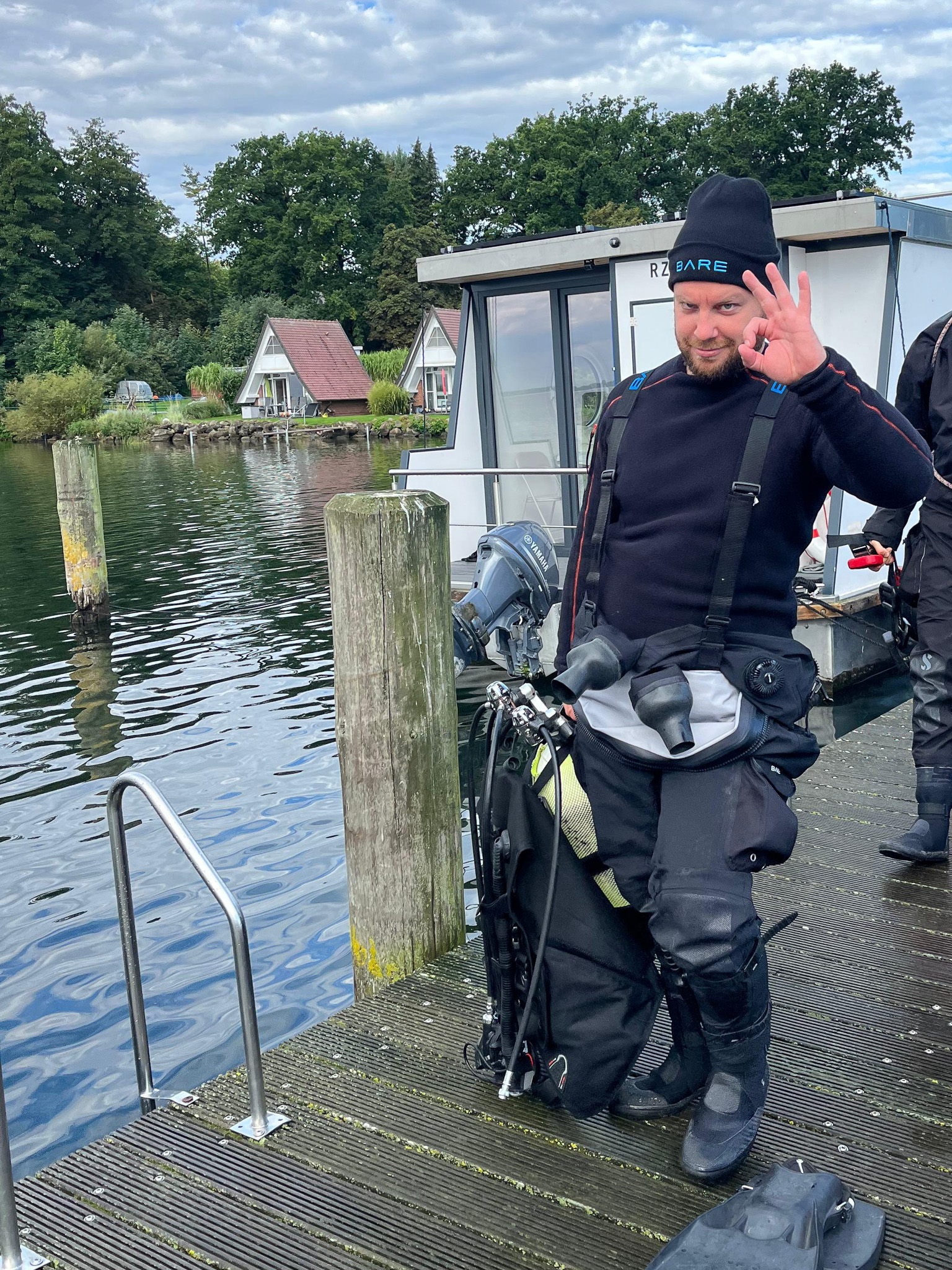
Bad Kleinen was our first chance to take what we’d learned into open water. We started with buoyancy exercises, learning to hover at a steady depth. It took me a while to relax underwater. As I got more comfortable, the amount of air I used per minute began to settle.
Then we started practising the kinds of tasks we’d need to do underwater. We cut wood and metal with saws, used a drawing frame to make sketches to scale, followed signals on the line to find buoys, and took photos and video. We did our 25-metre dives and most of our 15-metre dives here, too.
We also took turns tending the signal line, standing by as the safety diver and supervising the dive. In the buoy exercise, the person tending the line used it to guide the diver from the surface. Sometimes I knew exactly what to do. Other times I’d be down there getting increasingly frustrated, trying to work out what on earth that last tug was supposed to mean.
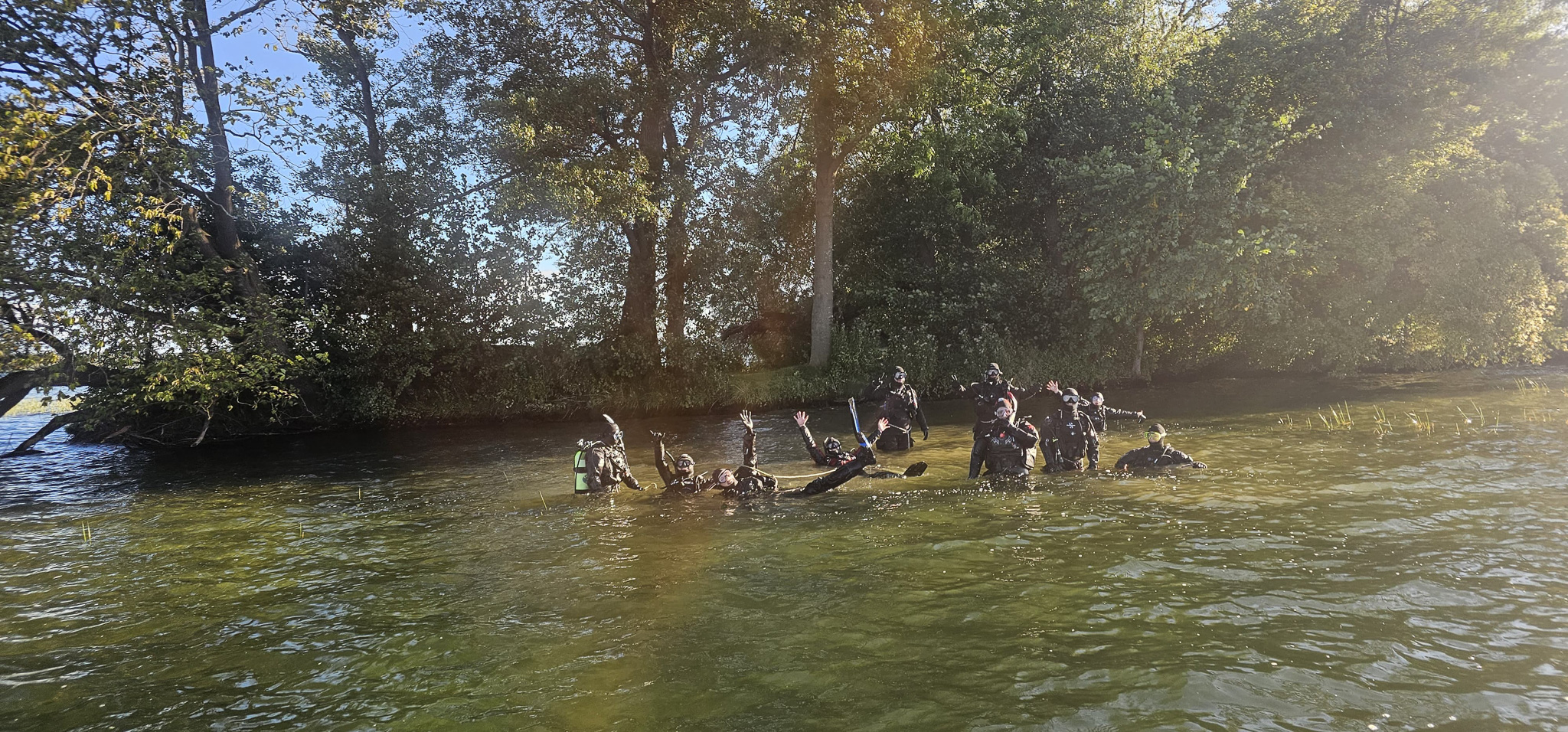
We often played Hitster in the evenings, and on our last night in Bad Kleinen we set up UltraStar for a small karaoke party. Almost everyone sang. By the end of the night, we’d moved the tables out of the way, started dancing and somehow ended up doing the limbo.
Three weeks aboard the Limanda
For the final three weeks, we dived from the Limanda , a University of Rostock vessel. We worked in the Baltic Sea when the weather allowed and moved into the harbour areas along the Warnow when it didn’t. We practised working at a buoy and using a lift bag.
To survey seagrass, we used an ordinary folding ruler to make a 20 × 20 cm square and laid it in the meadow. We counted every shoot inside the square and measured the height of individual shoots selected at random. We wrote down the counts and heights in pencil on a wrist slate, a small plastic writing board strapped to the forearm.
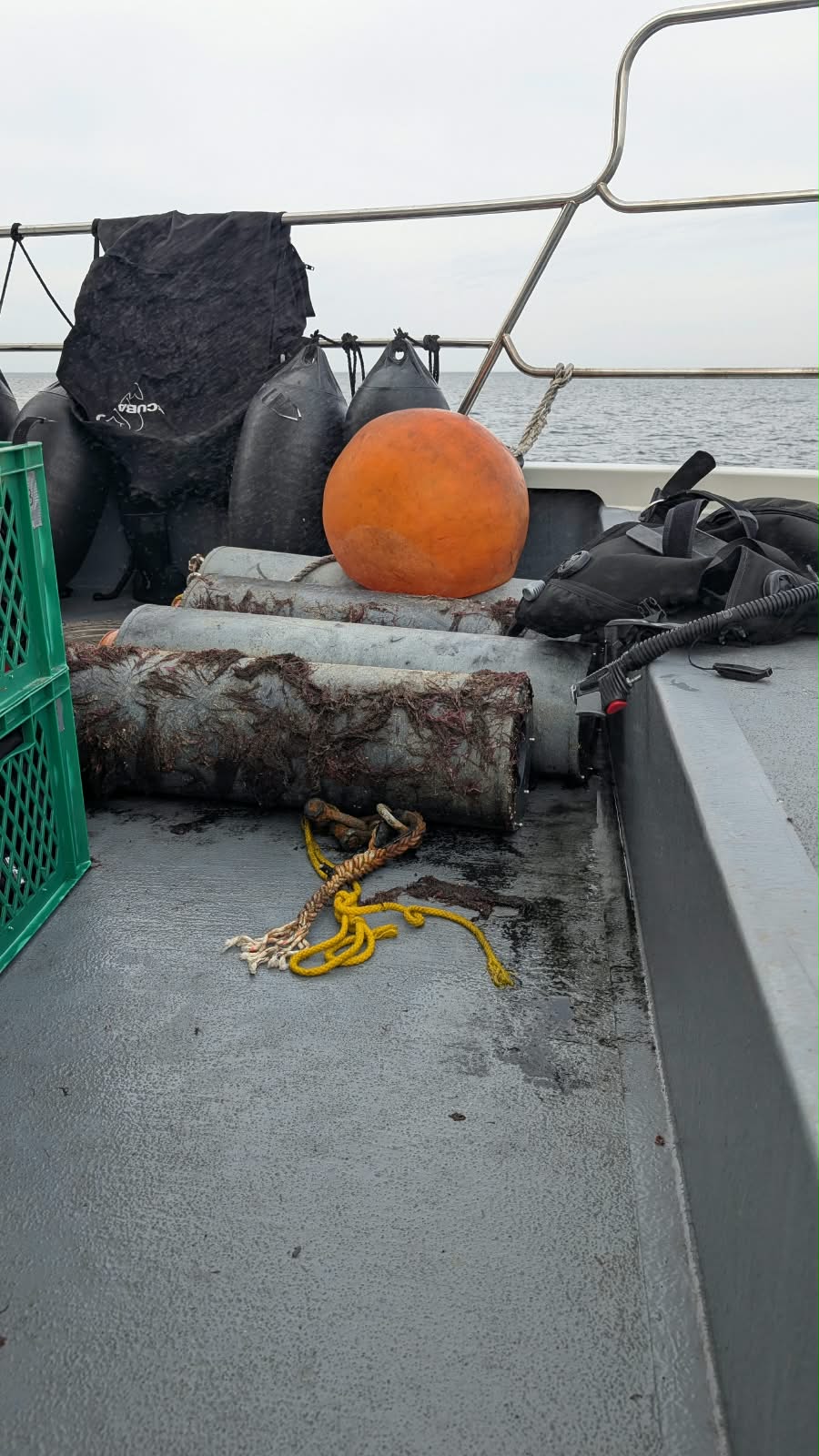
My highlight came in the first week, when we recovered four dummy munitions that had been placed on the seabed two years earlier for research. They were attached to a single line with weights at both ends to keep them in place. After weeks of practising individual tasks, we had a job to finish together. All four dummies needed to come back aboard.
Two days of exams
The course ended with a two-day exam. On the first day, we carried out a practical dive operation in the Baltic Sea. On the second, we were back in the pool from six to eight for the swimming and diving tests, followed by a presentation and an oral exam.
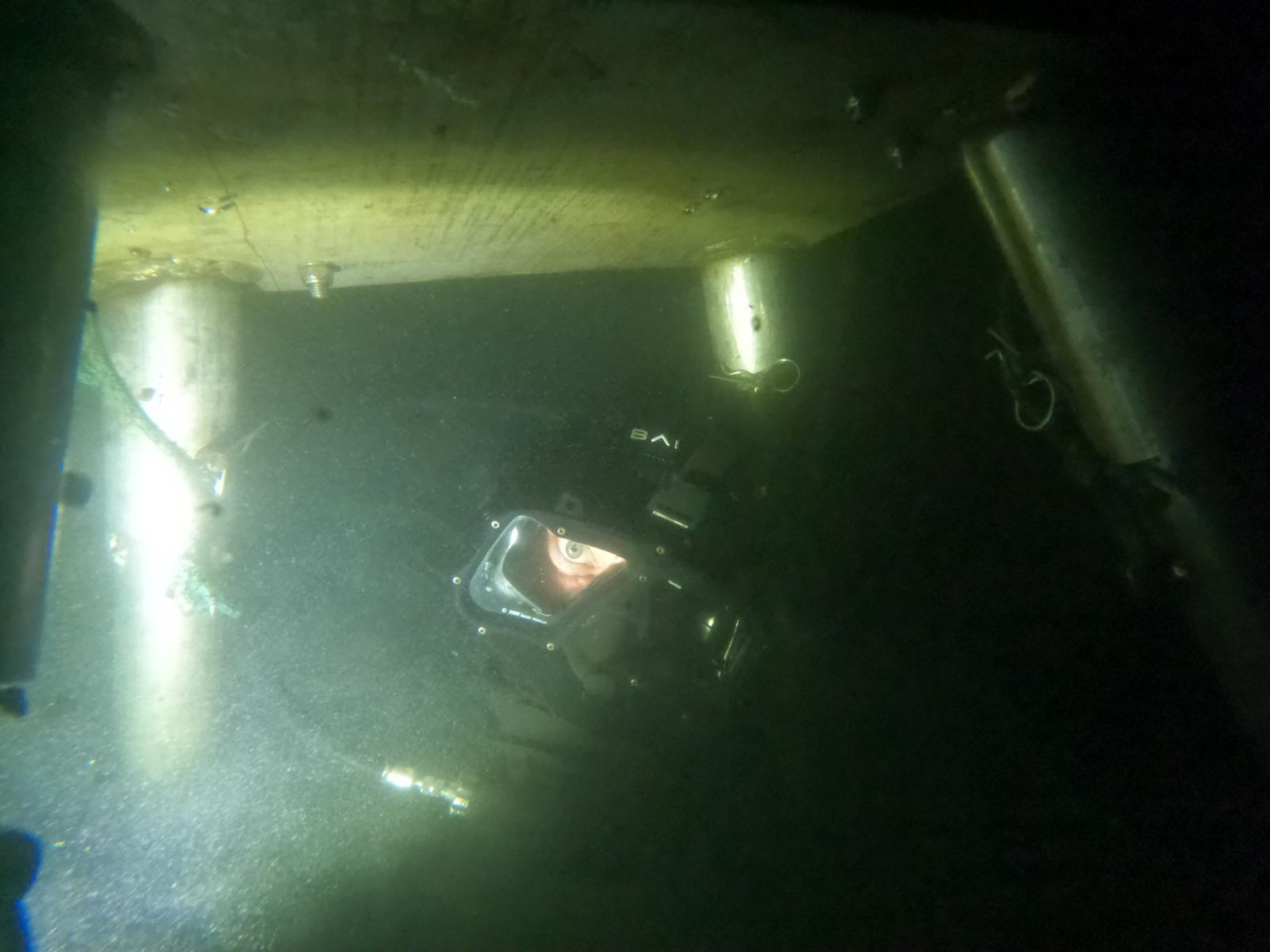
In Bad Kleinen, holding a steady position underwater had taken most of my attention. By the time we were surveying seagrass in the Baltic, I could hover and breathe steadily enough to concentrate on counting shoots and writing down the measurements.
I’m glad to be a certified scientific diver now, and I’ve already had my first assignment since finishing the course. We deployed equipment in a seagrass meadow that will be used to measure photosynthetic activity. I hope it’s the first of many more dives for research.
You might also find these interesting
After months of design, printing, prototyping, and website development, Offener Kreis has become a physical card set. A short reflection on moving from creation to real-world use.
Documenting the process behind the reflection card set Offener Kreis. From research and question curation to structure, design exploration, and production considerations.
A short process note on how the Offener Kreis reflection card set evolved from a coherent layout into a clearer visual orientation system.
Occasional updates
If this kind of work interests you
I send occasional updates when projects reach meaningful milestones, something is released, or collaboration opportunities arise.
Note on authorship: This text was developed with the support of AI tools, used for drafting and refinement. Responsibility for content, structure, and conclusions remains with the author.